

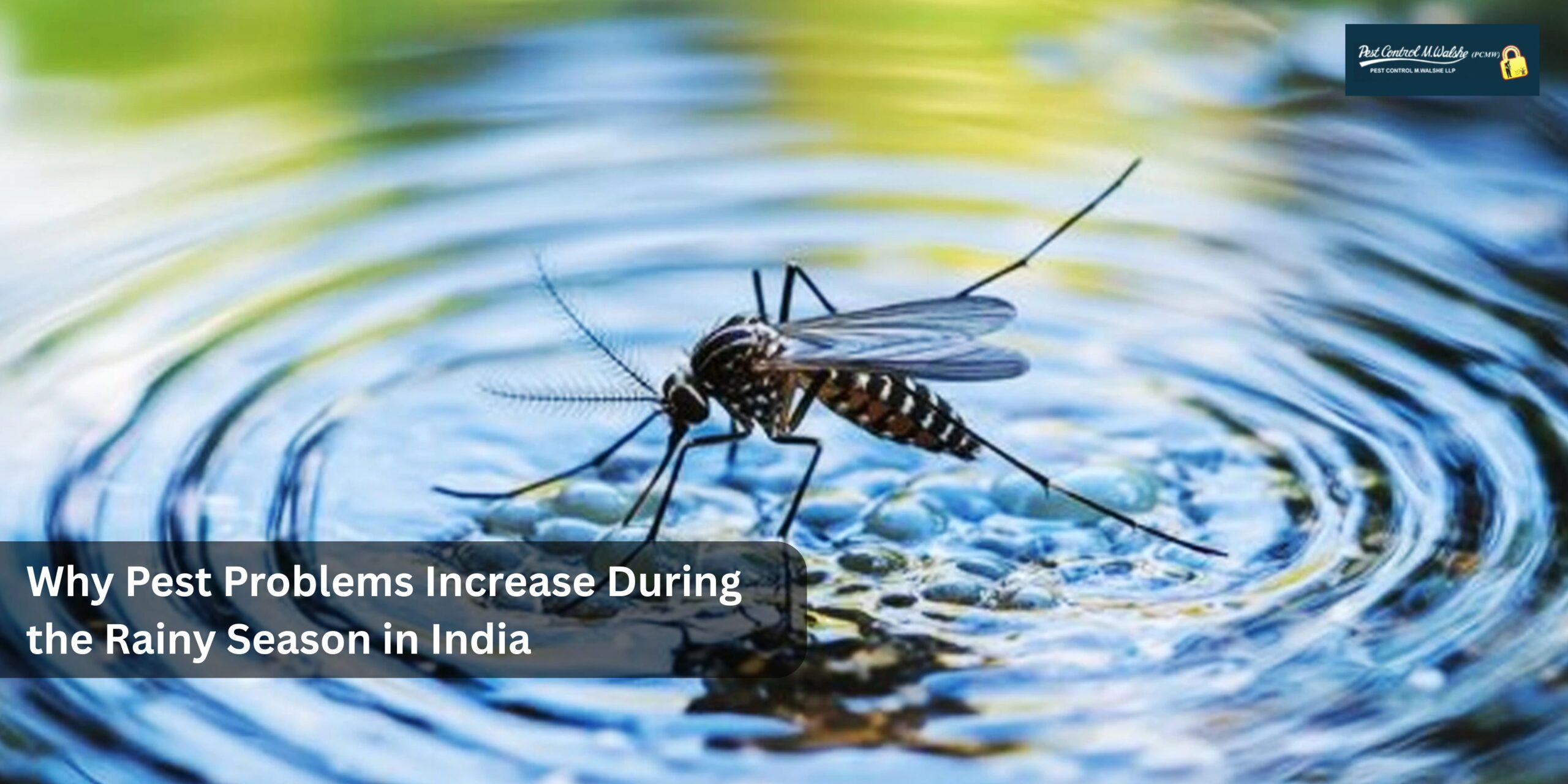
The rainy season in India brings relief from heat, but it also creates conditions that support rapid pest growth around homes and buildings. Increased moisture, waterlogging, and damp surroundings make it easier for insects and rodents to survive, reproduce, and move indoors in search of food and shelter.
During this season, pest control and fumigation services become more relevant because pest activity rises sharply across residential areas. Standing water, clogged drains, and humid spaces create ideal breeding conditions, which can lead to faster infestations if early signs are missed.
PCMW provides inspection and treatment support designed to manage seasonal pest issues by identifying hidden activity and reducing infestation risks across homes. Their services also help homeowners recognize early warning signs so problems can be addressed before they spread further or cause damage.
Blog Objective
This blog explains why pest problems increase during the rainy season in India, which pests become active, how they enter homes, and what simple steps can help reduce infestation risks.
Key Takeaways
- The rainy season creates high moisture levels that support pest breeding
- Mosquitoes, rats, and cockroaches become more active during the monsoon
- Waterlogging and damp areas increase pest entry into homes
- Early prevention helps reduce infestation risks and health concerns
- Ignoring early signs of pest activity during the rainy season can lead to faster spread and more difficult infestations to control
Why Do Pest Problems Increase During the Rainy Season in India?
The rainy season changes environmental conditions in a way that supports pest survival. High humidity, water accumulation, and reduced outdoor dry spaces push pests indoors.
This is why pest control and fumigation services are often required during this time, as pests multiply faster and spread into hidden areas of homes.
Several factors contribute to increased pest activity:
- Constant moisture in the surroundings
- Flooded drains and stagnant water
- Damp walls and hidden leakage areas
- Open garbage and food exposure due to humidity
These conditions allow pests to survive longer and reproduce quickly.
What Happens During Monsoon That Attracts Pests?
Monsoon creates a survival-friendly environment for pests. Rainwater collects in multiple places, and humidity increases across both urban and rural areas.
Key reasons include:
- Standing water in pots, drains, and open areas
- Reduced dry shelter outside homes
- Increased organic waste decomposition
- Warm and humid indoor environments
Because of this, pests move indoors where food and shelter are easier to find.
Which Pests Increase During the Rainy Season in India?
Different pests become active depending on moisture and environmental conditions.
1. Mosquitoes
Mosquitoes breed in stagnant water and spread rapidly during the monsoon.
2. Rats
Rats enter homes to escape flooding and search for food and dry shelter.
3. Cockroaches
Damp kitchens and drainage areas attract cockroaches in large numbers.
4. Ants and Flies
These pests increase due to food exposure and garbage accumulation.
In such cases, home pest control services are often needed to manage multiple pest types together.
How Do Pests Enter Homes During the Rainy Season?
Pests enter homes through small openings that are often unnoticed during daily routines.
Common entry points include:
- Cracks in walls and floors
- Gaps around doors and windows
- Drain pipes and sewage lines
- Open vents and kitchen outlets
- Damaged seals around utility lines
Once inside, pests find shelter in hidden areas like behind appliances, inside cabinets, and under sinks.
What Are the Early Signs of Pest Activity During Monsoon?
Early detection helps prevent larger infestations.
You may notice:
- Increased mosquito activity indoors
- Scratching sounds in walls or ceilings
- Small droppings in corners or storage areas
- Unpleasant smell from drains or damp areas
- Visible insects near food or water sources
These signs indicate growing pest activity that may need attention.
Risks of Ignoring Pest Problems During the Rainy Season
Ignoring pest issues during the monsoon can lead to long-term problems.
Common risks include:
- Spread of diseases such as dengue and leptospirosis
- Food contamination in kitchens
- Damage to furniture, wires, and insulation
- Increased structural weakening in damp areas
Moist environments allow pests to multiply quickly, increasing overall risk levels.
How to Prevent Pest Problems During Monsoon?
Simple preventive steps can reduce pest activity inside homes.
Useful measures:
- Remove stagnant water regularly
- Keep kitchen areas clean and dry
- Seal cracks and entry points
- Store food in airtight containers
- Clean drains and remove blockages
In some cases, fumigation home service may be required when infestations spread across multiple areas.
DIY vs Professional Pest Control in Monsoon
| DIY Methods | Professional Treatment |
| Focus on visible pests | Targets hidden breeding areas |
| Temporary control | Long-term reduction |
| Limited coverage | Covers full property |
| Repeated effort required | Structured inspection and treatment |
During heavy monsoon seasons, professional pest control services are often more effective at managing hidden pest activity.
When Should You Call Pest Control Experts?
You should consider professional help when:
- Pest activity increases despite cleaning
- Multiple pests appear in different areas
- Signs spread across rooms or floors
- DIY methods stop showing results
PCMW offers inspection and treatment services that help identify pest sources and control infestation levels based on home conditions.
Common Mistakes That Increase Pest Problems in Monsoon
Many infestations continue due to small but repeated mistakes:
- Ignoring standing water in small containers
- Leaving food uncovered overnight
- Not sealing cracks and gaps
- Delaying drain cleaning
- Treating only visible pests
Avoiding these mistakes helps reduce long-term pest risks.
Conclusion
Pest problems increase during the rainy season in India mainly due to moisture, water accumulation, and changes in environmental conditions that support pest breeding. These conditions allow pests to enter homes, hide in damp areas, and multiply quickly.
Managing these issues requires timely cleaning, sealing entry points, and removing moisture sources. For larger infestations, professional pest control services can help manage deeper pest activity and reduce long-term risks.
If pest activity continues during the monsoon, PCMW provides inspection and treatment services designed to control seasonal infestations and help protect homes from further spread.
Do not wait for the problem to grow. Early action can help reduce damage and keep your home safer during the rainy season.
FAQs
1. Why do pests increase during the rainy season in India?
Moisture, humidity, and waterlogging create ideal conditions for pest breeding and survival.
2. Which pests are common during the monsoon?
Mosquitoes, rats, cockroaches, ants, and flies are the most common.
3. How can I prevent pests during the monsoon?
Keep surroundings dry, seal entry points, and remove stagnant water.
4. Are pest problems worse in cities during the monsoon?
Yes, due to drainage issues, waste accumulation, and high humidity.
5. Do I need professional pest control during the rainy season?
For recurring or widespread infestations, professional treatment is often more effective.