

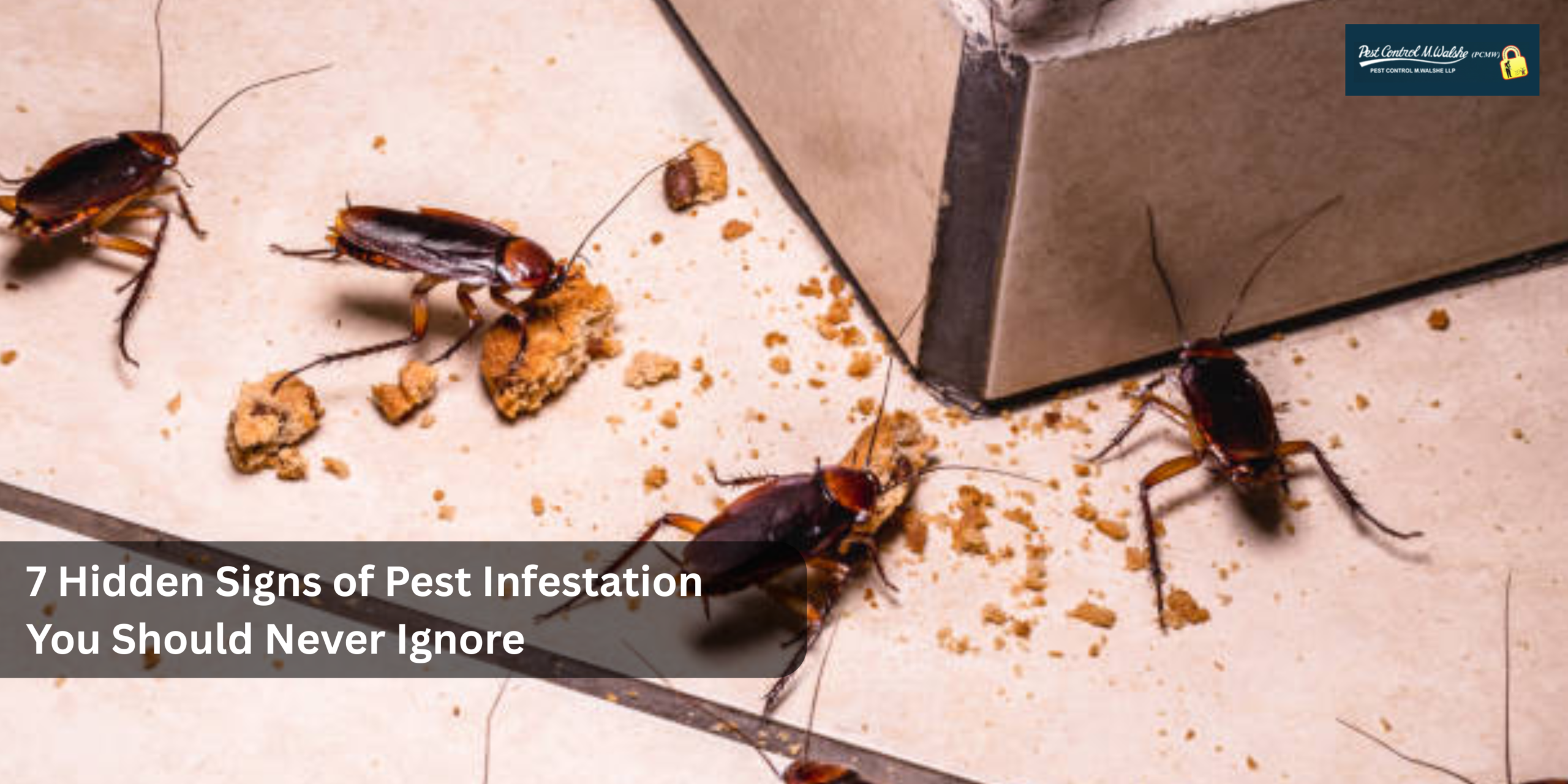
Many pest problems start quietly, without any clear warning. By the time pests become visible, the infestation may already be spreading inside walls, furniture, or hidden spaces. This is where pest control services play an important role in identifying early signs before the damage grows.
Small clues inside your home can often point to hidden pest activity. Recognizing these signs early can help prevent structural damage, health risks, and repeated infestations.
PCMW provides inspection and treatment services that help detect such hidden issues and control them before they spread further.
Blog Objective
This blog highlights seven hidden signs of pest infestation, explains what each sign means, and helps homeowners understand when to take action before the problem becomes more serious.
Key Takeaways
- Pest infestations often begin without visible signs
- Small changes inside the home can indicate hidden activity
- Ignoring early signs can lead to larger infestations
- Timely inspection helps reduce damage and spread
- Knowing these signs early can help you take action before the problem gets worse
Why Are Hidden Signs of Pest Infestation Often Missed?
Many homeowners expect to see pests before taking action. However, most pests remain hidden and leave behind subtle clues instead.
These signs are often confused with normal wear and tear, such as minor cracks, dust, or occasional smells. Because of this, infestations continue to grow without being noticed.
Understanding these early signals can help stop the problem before it becomes harder to control.
What Are the 7 Hidden Signs of Pest Infestation You Should Never Ignore?
1. Unusual Smells in Certain Areas
A strong or musty smell in kitchens, cabinets, or storage areas can indicate pest activity. Some pests leave behind odors that build up over time in enclosed spaces.
If the smell keeps returning, it may be worth checking the area more closely.
2. Small Droppings or Black Specks
Tiny droppings are one of the earliest signs of pests. These are often found in corners, drawers, or behind appliances.
They may look like dust at first, but repeated appearances in the same area can indicate active infestation.
3. Hollow or Damaged Wood
Wood that sounds hollow when tapped or shows surface damage may be affected by pests feeding inside it.
This type of damage often happens from the inside, which is why it may not be visible in the early stage.
4. Strange Noises Inside Walls
Scratching, tapping, or movement sounds inside walls or ceilings can point to hidden pest activity.
Common signs include:
- Light scratching sounds at night
- Movement inside walls or ceilings
- Repeated noises in the same area
These sounds often suggest pests moving or nesting in hidden spaces.
5. Grease Marks or Smudge Trails
Dark or greasy marks along walls, baseboards, or corners may appear due to repeated pest movement.
These marks are often left behind when pests travel the same path over time.
6. Shed Skins or Wings
Some pests leave behind parts of their bodies as they grow. These may appear as shed skins or discarded wings near windows, corners, or light sources.
Finding these regularly can indicate that pests are active nearby.
7. Sudden Increase in Bites or Skin Irritation
Unexplained bites or skin irritation, especially after sleeping, can be a sign of hidden pests.
Things to notice:
- Bites appearing in a pattern
- Irritation that happens overnight
- Repeated occurrence without a clear cause
This may indicate pests that are active during the night.
What Happens If You Ignore These Signs?
Ignoring early signs often allows pests to spread further into your home. What starts in one area can quickly move into walls, furniture, and other rooms.
Over time, this can lead to structural damage, contamination, and higher treatment costs. Acting early helps reduce these risks and keeps the problem manageable.
Common Mistakes Homeowners Make When Ignoring Pest Signs
Many infestations become difficult to control because early signs are ignored or misunderstood. Some common mistakes include:
- Assuming the problem will go away on its own
- Cleaning visible areas but ignoring hidden spaces
- Using temporary fixes instead of proper treatment
- Delaying inspection until the problem spreads
- Misidentifying the type of pest
Avoiding these mistakes can help control the problem early and prevent it from getting worse.
When Should You Take Action?
It is important to act when signs appear repeatedly or in multiple areas.
You should consider taking action if:
- The same signs appear again and again
- More than one sign is noticed at the same time
- The problem spreads to different rooms
- Visible damage begins to appear
At this stage, professional pest control services can help identify the source and stop the infestation before it grows further.
How Do Professionals Help Identify Hidden Infestations?
Professionals look beyond visible signs and inspect areas that are often missed during regular cleaning.
They check behind walls, under furniture, and around entry points to find where pests are hiding.
PCMW offers inspection and treatment services that help locate hidden infestations and apply targeted solutions based on the level of activity.
Simple Tips to Prevent Hidden Infestations
Taking small steps can help reduce the chances of pests entering your home.
- Keep kitchen and storage areas clean
- Seal cracks and gaps around doors and windows
- Reduce moisture in bathrooms and basements
- Inspect furniture and wooden items regularly
- Avoid leaving food exposed
Regular maintenance and awareness can help prevent many pest problems from developing.
Conclusion
Hidden signs of pest infestation are often easy to overlook, but they can indicate a growing problem inside your home. Recognizing these signs early can help prevent damage and reduce the risk of infestation spreading further.
If these warning signs continue to appear, PCMW provides inspection and treatment services to help identify the source and control the issue effectively.
Do not ignore the small signs. Book a professional inspection with PCMW today and take the first step toward protecting your home from hidden pest damage.
Frequently Asked Questions
1. What is the earliest sign of pest infestation?
Small droppings, unusual smells, or minor damage are often early signs.
2. Are pest infestations always visible?
No, many infestations remain hidden and show only subtle signs.
3. Can small signs be ignored?
Ignoring early signs can allow the infestation to grow and spread.
4. How quickly do pests spread?
Some pests can spread quickly within days or weeks, depending on conditions.
5. Should I call a professional immediately?
If signs appear repeatedly or in multiple areas, it is best to seek professional inspection.