

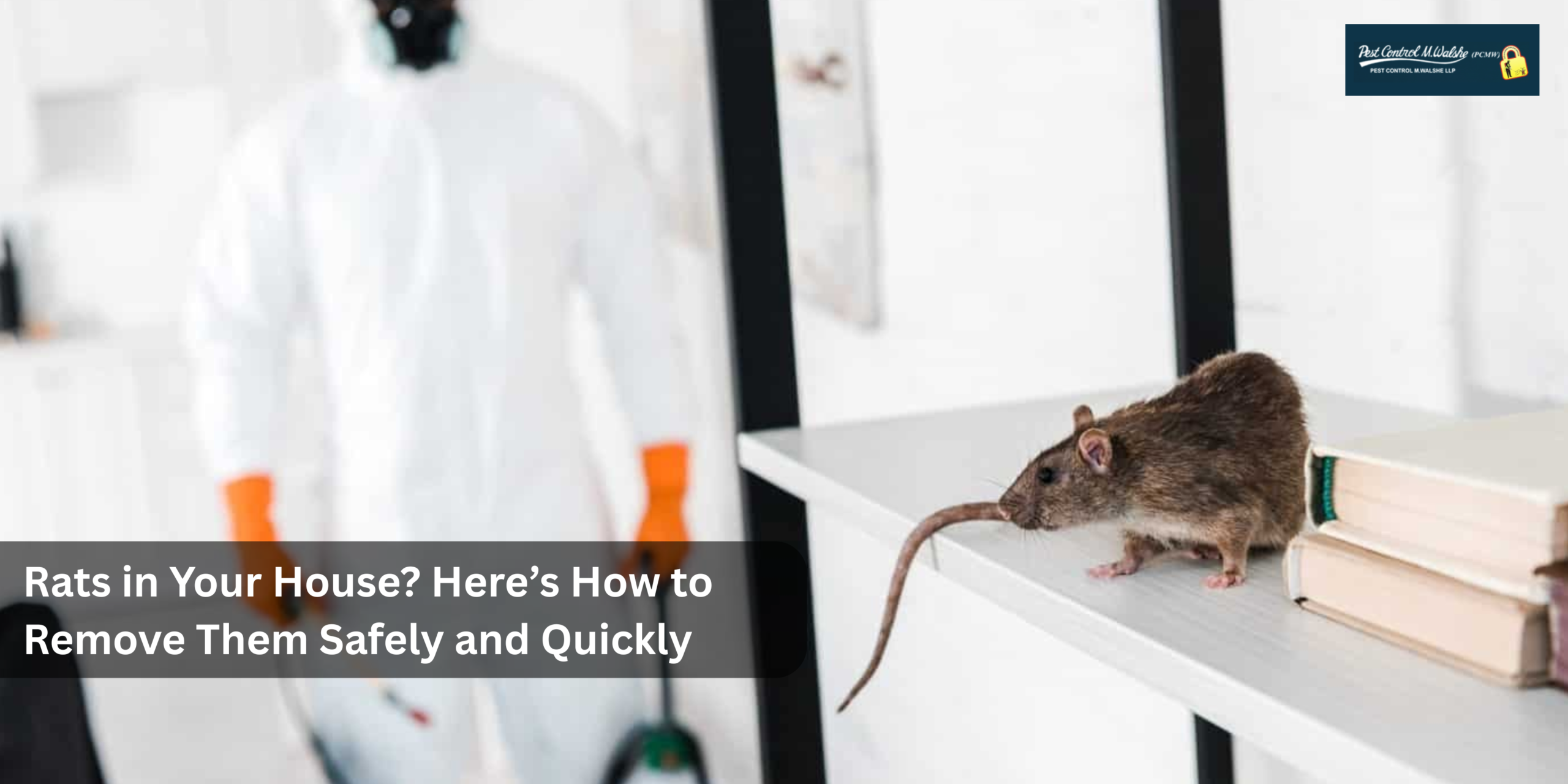
Hearing scratching sounds at night or spotting droppings in corners can be an early sign of a rat problem that is already developing behind the scenes. Pest control rat removal helps identify hidden activity, remove rats safely, and reduce the chances of them returning once they settle inside your home.
Rats rarely stay limited to one area. After gaining access to food, water, and shelter, they begin to move through spaces such as kitchens, walls, and storage areas, often without being noticed at first.
What may seem like a minor issue can grow into a wider infestation if not addressed early. Did you know? A pair of rats can produce dozens of offspring in a year, which allows infestations to grow faster than most homeowners expect.
PCMW provides inspection and treatment services designed to locate hidden rat activity and control infestations before they spread further across the property.
Blog Objective
This blog explains how to identify rat infestations, remove them safely, and prevent them from returning by using simple and effective methods that protect your home from long-term damage.
Key Takeaways
- Rats can stay hidden for long periods, often inside walls, ceilings, and storage areas
- Seeing a few signs, like droppings or scratching sounds, may point to a larger hidden infestation
- Infestations can grow quickly if early warning signs are ignored
- Effective removal depends on finding and treating where rats hide, not just where they are seen
- Knowing the right steps early can help stop the problem before it spreads further
Why Are Rats Entering Your Home?
Rats enter homes because they find easy access to food, water, and shelter. Even small gaps or openings can become entry points.
Common reasons include:
- Food crumbs left on floors or countertops
- Open garbage bins or uncovered food
- Leaking pipes or damp areas
- Gaps around doors, windows, or pipes
Once they find a suitable space, they settle in hidden areas and begin to reproduce.
What Are the Early Signs of Rats in Your House?
Rats are rarely seen during the day, so early signs often appear in indirect ways.
You may notice:
- Small droppings in corners or near food areas
- Scratching or movement sounds inside walls or ceilings
- Gnaw marks on wood, wires, or packaging
- Grease marks along walls or baseboards
- A strong, unpleasant odor in enclosed spaces
If these signs appear repeatedly, it may indicate an active infestation inside the home.
How Fast Can a Rat Infestation Spread Inside Your Home?
Rats can multiply and spread faster than most homeowners expect. Once they find a safe place with food and water, they begin to reproduce and expand into nearby areas.
A single pair of rats can lead to a much larger infestation within a few months if conditions remain suitable. As their numbers grow, they move through walls, ceilings, and storage spaces, making the problem harder to control.
You may notice that signs start appearing in more than one room over time. What begins in the kitchen can spread to attics, basements, or behind walls without being noticed.
This is why early action is important. Addressing the problem when the first signs appear can help prevent it from spreading across the entire home.
Where Do Rats Usually Hide Indoors?
Rats prefer dark and undisturbed areas where they can stay close to food and water sources.
Common hiding spots include:
- Behind kitchen appliances
- Inside cabinets or storage areas
- Attics and basements
- Wall cavities and false ceilings
- Near drains or plumbing areas
These locations allow them to remain hidden during the day and become active at night.
Why Are Rats Dangerous to Your Home and Health?
Rats can cause more damage than most homeowners expect. They not only contaminate food but also affect the structure of the home.
Some common risks include:
- Spreading bacteria through droppings and urine
- Contaminating food and kitchen surfaces
- Chewing on electrical wires can increase fire risk
- Damaging furniture, insulation, and stored items
Ignoring these risks can lead to both health concerns and costly repairs over time.
How to Remove Rats Safely and Quickly?
Removing rats requires more than just reacting to sightings. The focus should be on stopping the source and removing hidden activity.
Step 1: Identify Entry Points
Check for gaps, cracks, and openings where rats may be entering.
Step 2: Remove Food Sources
Keep food sealed and clean surfaces regularly to reduce attraction.
Step 3: Use Traps in Key Areas
Place traps in areas where activity is noticed, especially along walls.
Step 4: Seal Gaps and Openings
Close entry points to prevent new rats from entering.
Step 5: Clean and Disinfect
Remove droppings and sanitize affected areas to reduce contamination.
In larger infestations, professional rat control services may be required to handle the problem effectively.
DIY vs Professional Rat Control
| DIY Methods | Professional Treatment |
| Focus on visible rats | Targets hidden nests and entry points |
| Temporary results | Long-term control |
| Limited coverage | Covers entire infestation |
| Requires repeated effort | Structured treatment plan |
In many cases, homeowners also rely on home pest control services to manage infestations that spread across multiple areas.
When Should You Call a Professional?
There are situations where basic methods may not be enough.
You should consider professional help when:
- Rats are seen frequently, even during the day
- Signs continue to appear after initial treatment
- Damage is increasing in different areas
- Traps and basic methods are not working
PCMW offers inspection and treatment services that help identify the extent of infestation and apply suitable solutions based on the condition of the property.
How to Prevent Rats from Coming Back?
Prevention plays an important role in long-term control.
Simple steps include:
- Sealing gaps and entry points
- Storing food in airtight containers
- Keeping garbage covered and disposing of it regularly
- Fixing leaks and reducing moisture
- Cleaning hidden areas like behind appliances
Regular checks and maintenance can help reduce the chances of future infestations. In some cases, commercial pest control services may also be used for larger properties or repeated issues.
Common Mistakes That Make Rat Problems Worse
Many infestations continue because of small but avoidable mistakes:
- Ignoring early warning signs
- Only treating visible rats
- Leaving food exposed overnight
- Not sealing entry points
- Stopping treatment too early
Avoiding these mistakes can help achieve better and faster results.
Conclusion
Rats inside the home are not just a temporary issue. They can spread quickly, cause damage, and create health risks if not handled early. Removing them safely requires identifying where they hide, eliminating what attracts them, and stopping their entry points.
If rat activity continues or spreads across your home, PCMW provides inspection and treatment services designed to control infestations and reduce the chances of them returning.
Do not wait for the problem to grow. Schedule a professional inspection with PCMW today and take control before rats spread further into your living space.
Frequently Asked Questions
1. How quickly do rats multiply?
Rats reproduce rapidly. A small infestation can grow within weeks if conditions remain favorable.
2. Are rats dangerous to humans?
Yes, they can spread bacteria and contaminate food and surfaces inside the home.
3. Can I remove rats on my own?
Small infestations may be controlled, but larger ones often require professional treatment.
4. What attracts rats the most?
Food, water, and shelter are the main factors that attract rats into homes.
5. How long does rat removal take?
It depends on the size of the infestation and the method used for treatment.